Projects
Rapidly Viable Sustained Grid
This project addressed the urgent challenge of restoring and sustaining power flow following major disruptions such as blackouts—scenarios that are becoming increasingly common. The focus was on ensuring rapid power viability during grid restoration, particularly for critical infrastructure (CI) like medical centers, where uninterrupted power is essential.
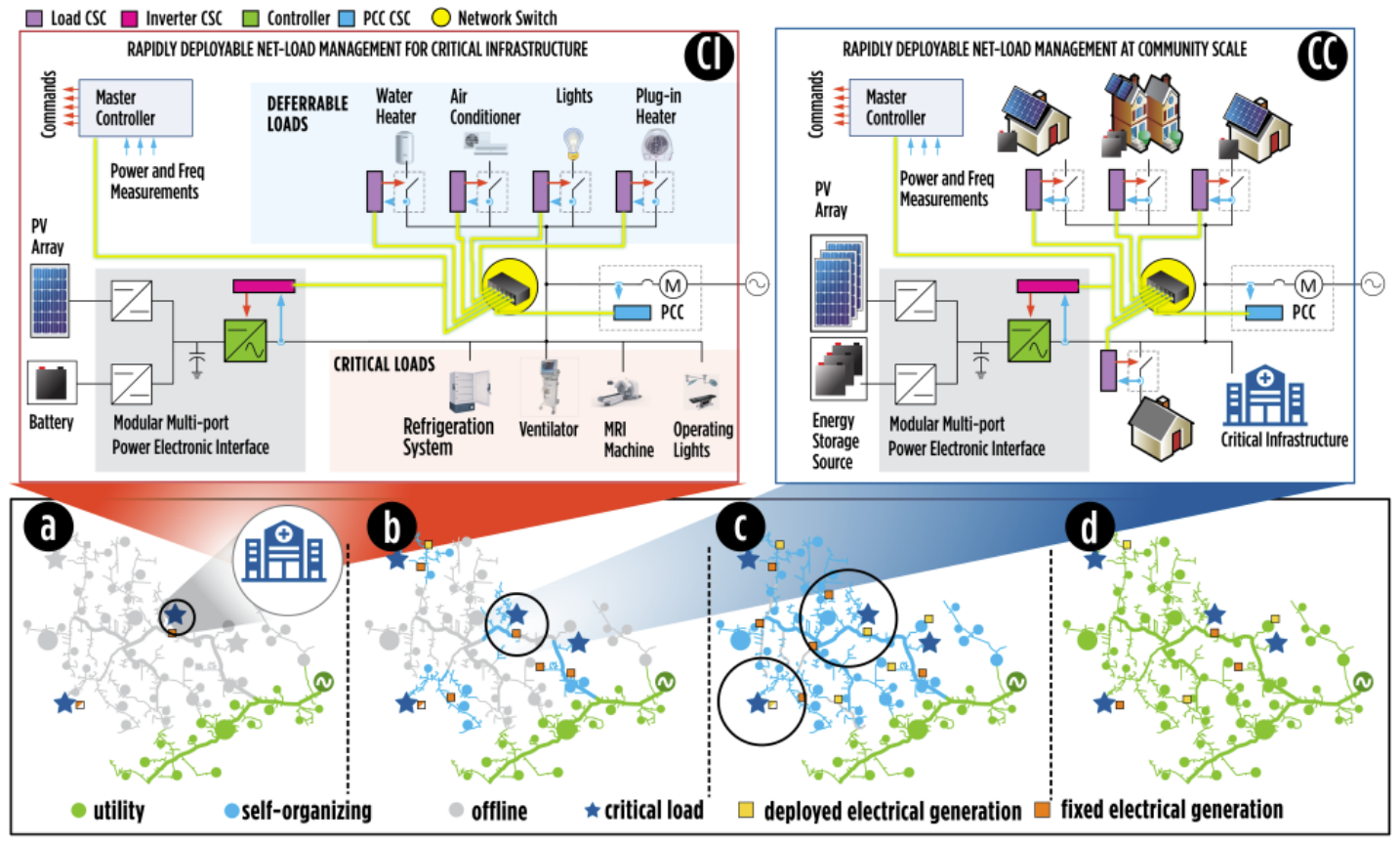
Figure 1 Phased solution to a power disruption scenario
We developed a comprehensive four-phase framework, see Figure 1, to enable not just immediate recovery, but also long-term grid support through intelligent coordination of distributed energy resources:
Initial Recovery: Following a major outage, the priority is to bring CI online using locally available resources, with the goal of maximizing the duration of power availability.
Neighborhood Support: Nearby resources are coordinated to form a central-core (CC) around the CI, extending the time horizon of reliable power delivery.
Distributed Expansion: Self-organizing power networks grow outward from the CC, forming a distributed layer of support that enhances local resilience.
Grid Integration: Multiple CI-based networks are interconnected and controlled in a coordinated manner to provide ancillary services (AS) to the grid—such as frequency control and increased renewable penetration.
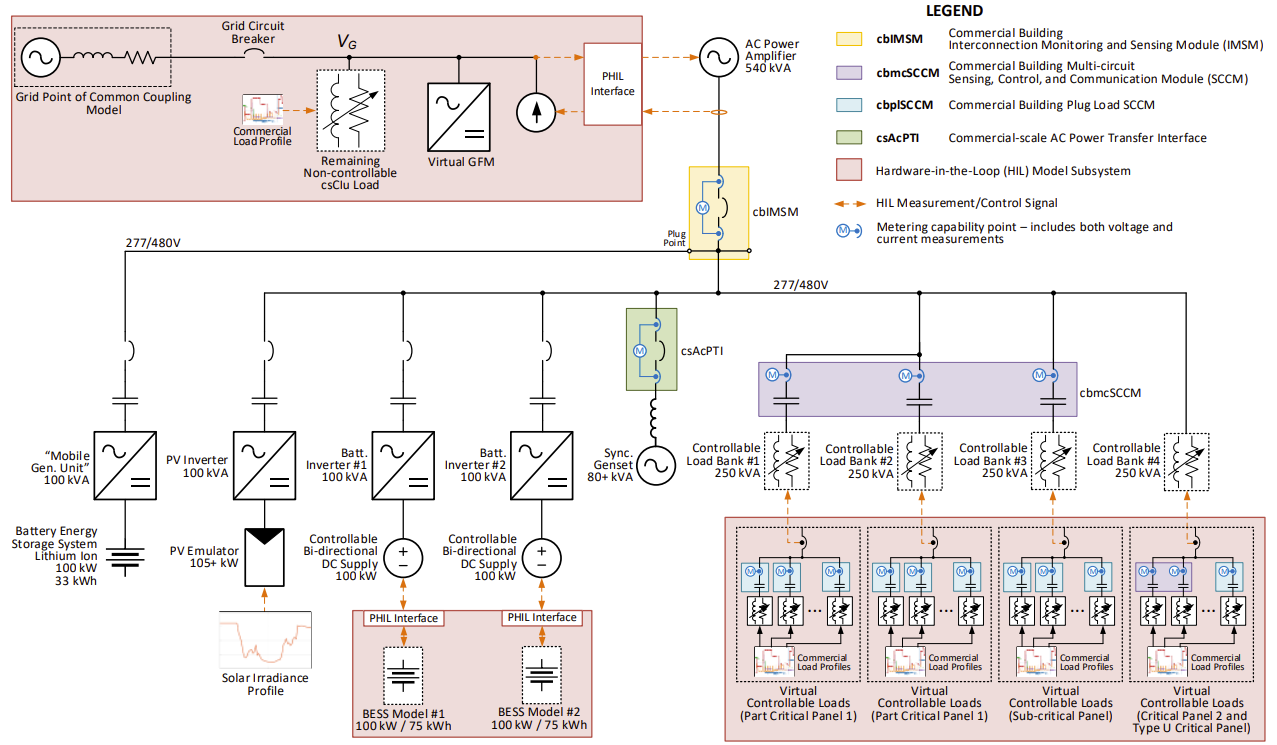
Figure 2 Power hardware-in-the-loop setup
To validate the concept, we utilized power hardware-in-the-loop (PHIL) setups Figure 2 and emulated field testing Figure 3 focusing on medical centers as representative critical infrastructure. A strong technology-to-market (T2M) strategy was outlined to transition the research into commercial deployment.
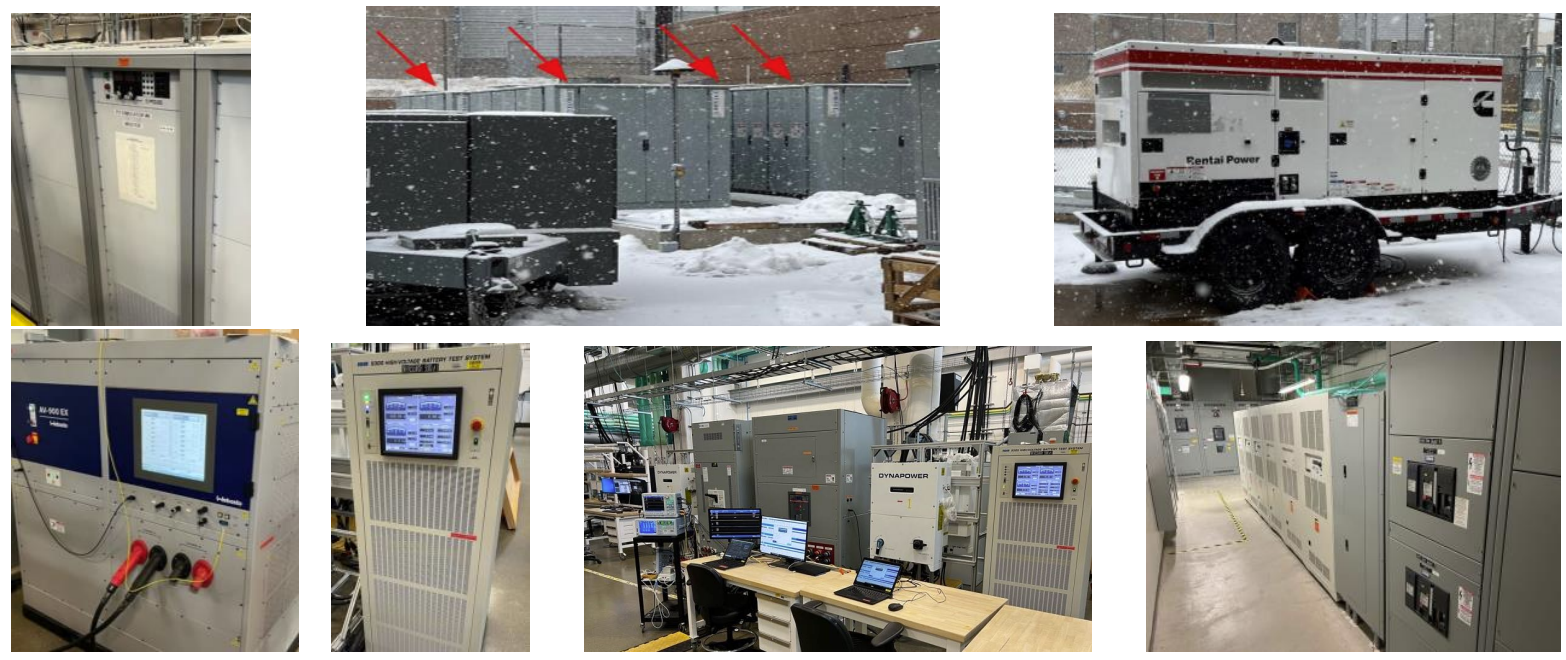
Figure 3 Hardware setup
For more details, see the technical report.
Enabling the Grid of The Future
The project focused on developing Local Inverter Systems (LIS) that integrate photovoltaics, batteries, and flexible loads at multiple power scales (low, medium, and high) and can autonomously respond to grid contingencies or follow real-time power schedules, Figure 4. These LIS units were validated across several layers of control and coordination:
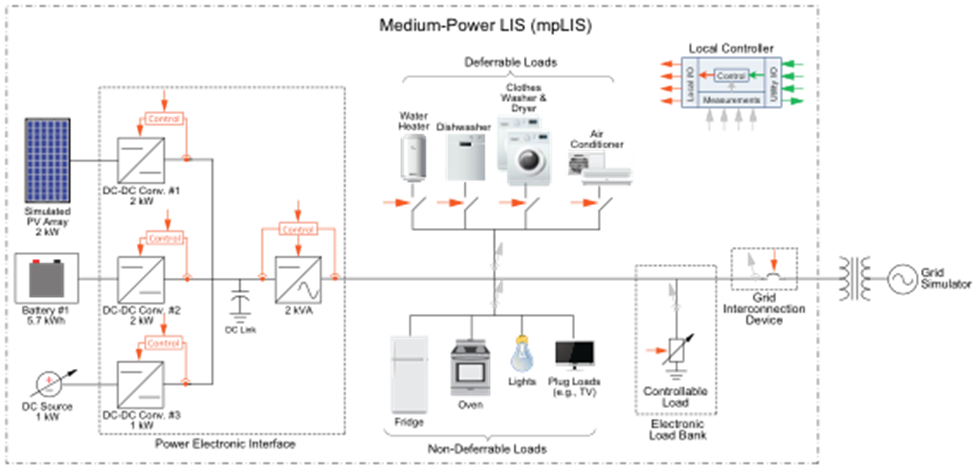
Figure 4 One-line Diagram showing the mpLIS’ electrical configuration
Simulation and Hardware-in-the-Loop Validation: Demonstrated fast, autonomous response (<10 cycles) to frequency deviations and load scheduling on low- and medium-power platforms.
On/Off-grid Transitions: Developed and validated control algorithms enabling seamless transitions between islanded and grid-tied modes in residential-scale LIS configurations.
Multi-Unit Coordination: Designed and tested scheduling and communication algorithms to coordinate multiple LIS units to collectively deliver ancillary services like frequency regulation.
Scalability and System-Level Impact: Simulated and tested the coordinated response of 500+ LIS units within a large-scale power system model, achieving key metrics for frequency response and grid support.
This work represents a scalable and resilient approach to grid modernization, where decentralized intelligence and fast control enable reliable operation of power networks with a high share of distributed and renewable energy resources.
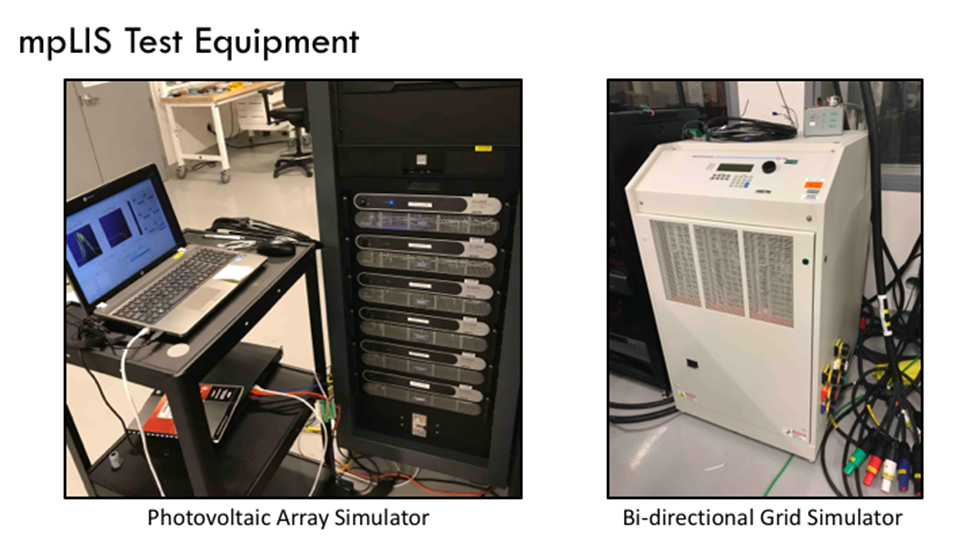
Figure 5 PV Array simulator and Bi-directional grid simulator used for mpLIS testing
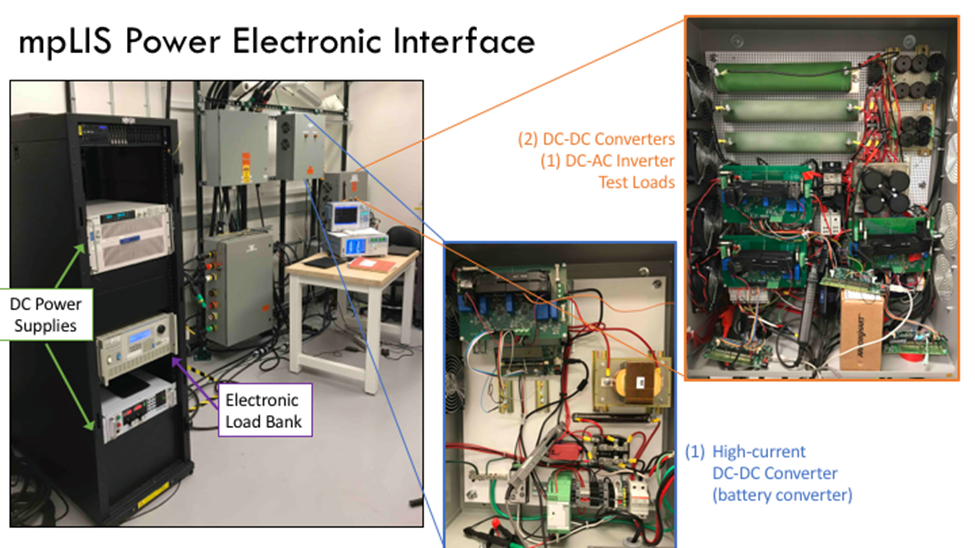
Figure 6 DC supplies (left), AC electronic load bank (left), battery DC-DC converter (center), ac and dc test loads (right), PV and DC source DC-DC converters (right), and inverter (right) used for mpLIS testing
Unified Inverter Control for Grids
Developed a unified inverter control framework to support the next generation of flexible and decentralized microgrids. Traditional inverters operate in fixed modes, Grid-Following (GFL), Grid-Forming (GFM), STATCOM, or ESS, limiting their adaptability. My work introduced a universal control architecture that enables seamless and stable transitions across all these modes through a two-parameter control design, unlocking new capabilities in smart grid management.
Key Contributions:
Seamless Mode Transitions: Designed a control system that enables inverters to switch between GFM, GFL, STATCOM, and ESS modes based on real-time grid conditions, DER availability, and network topology changes.
MIMO Modeling & Analysis: Developed a universal MIMO model for all inverter modes, simplifying stability and performance analysis.
Closed-Loop Sensitivity Characterization: Defined power-sharing, voltage/frequency regulation, and synchronization objectives using closed-loop sensitivity transfer functions, enabling a unified analysis across all modes.
Control Synthesis Framework: Created a mode-agnostic feedback control design that generalizes conventional methods (e.g., droop, virtual impedance, PLL), while ensuring robustness to uncertainty in grid impedance and DER dynamics.
Resilience & Stability: Leveraged Lyapunov-based methods to guarantee stability during inter-mode transitions, with the ability to shape transient responses and mitigate disturbances like irradiance-induced power fluctuations.
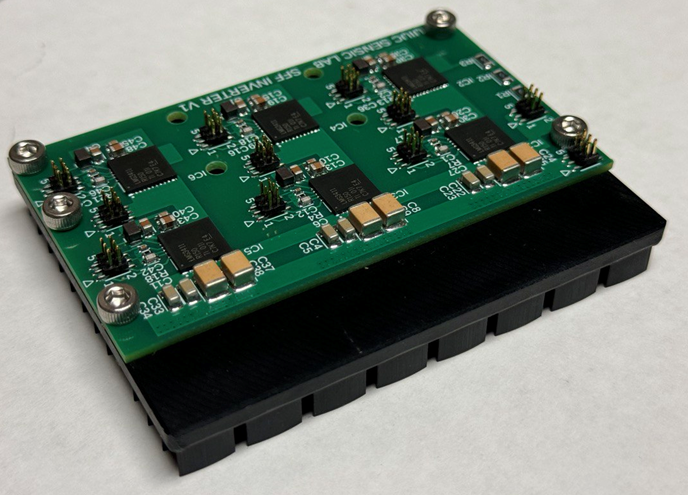
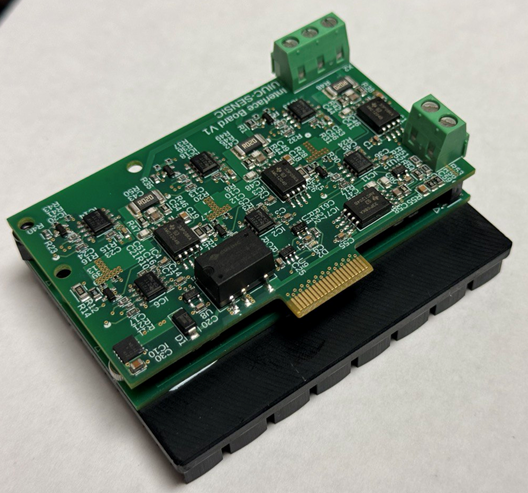
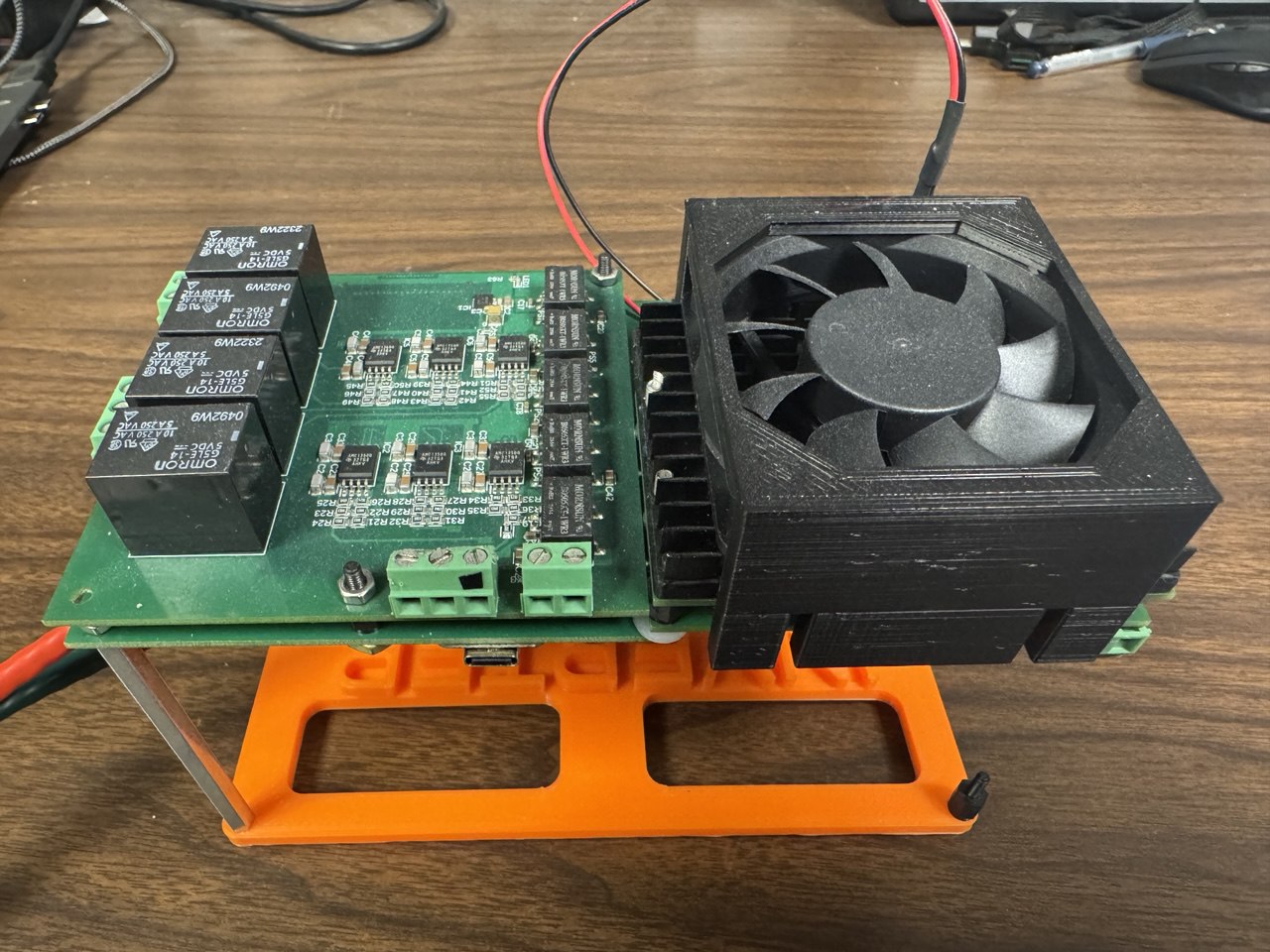
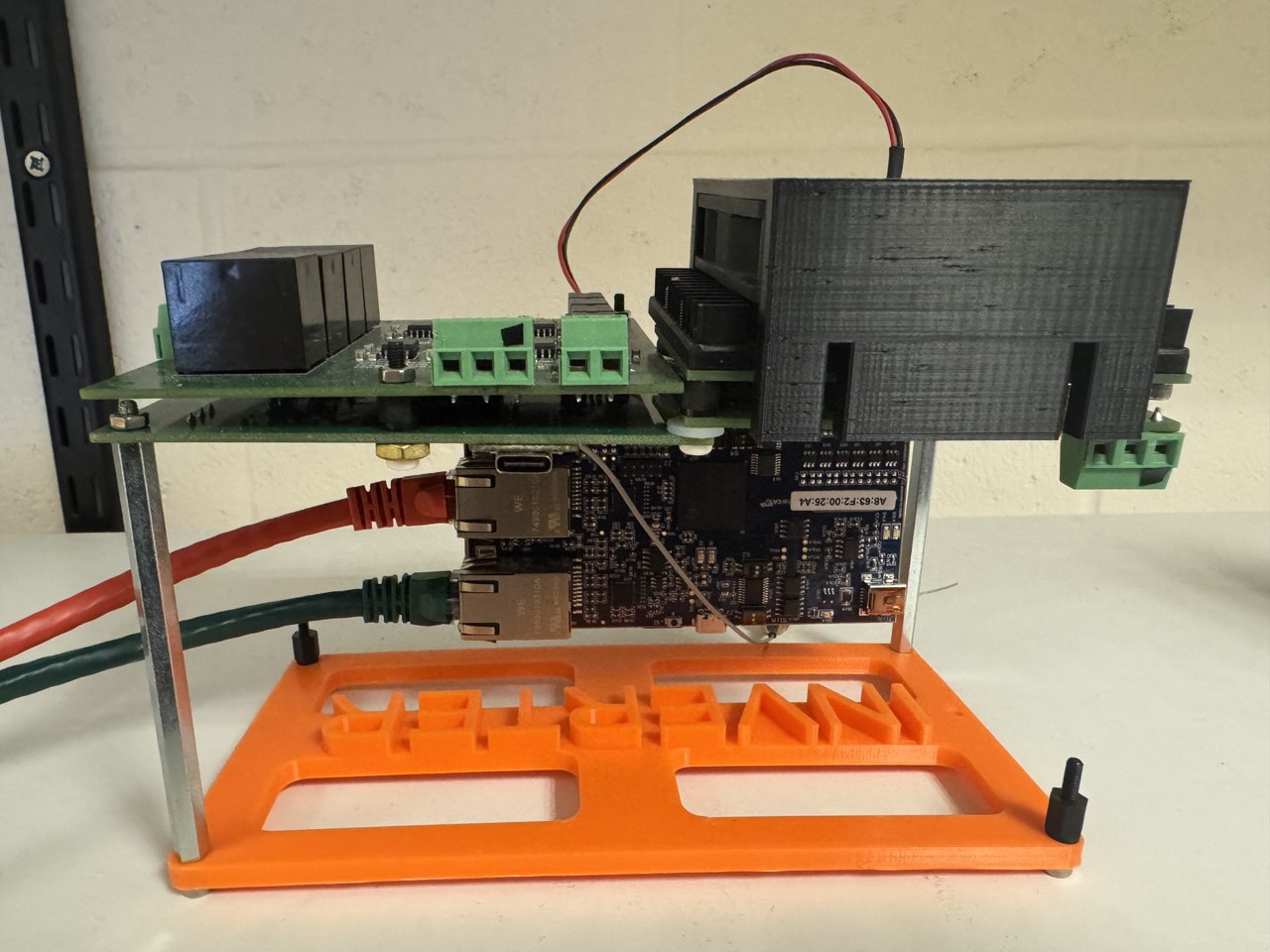
This work supports the development of power systems that are adaptive, resilient, and capable of achieving 100% renewable integration, without relying on rigid, pre-defined inverter roles. The results are initially tested on prototype low power inverter Figure 7, Figure 8.